













Logo

Winamax Betting Review For Users In Italy

In Italy, adult users can use this 2026 overview to understand account, sessions, payments, and control.

Fortune Gems 2 Slot

Table of Contents

  • The Dog House Megaways Slot
  • Lucky Joker 10 Extra Gifts Slot
  • Sword of Ares Slot
  • Floating Dragon Hold & Spin Slot
  • Leprechaun Riches Slot
  • Fruit Cocktail Slot
  • The Dog House Megaways Slot
  • Sword of Ares Slot
  • Fruit Million Slot
  • The Dog House Megaways Slot
  • Big Fisherman Slot
  • Big Fisherman Slot
  • Seven Books Unlimited Slot
  • Winamax Fortune Slot
  • Sword of Ares Slot
  • Floating Dragon Hold & Spin Slot
  • 9 Mad Hats Slot
  • Floating Dragon Hold & Spin Slot
  • Big Bass Splash Slot

First Contact With The Platform

The first contact with a gaming platform is not judged by a brilliant screen or a long list of sections. It is judged by how quickly a player can orient themselves without losing clarity. If balance, profile, cashier, and control tools are easy to find, the visit starts in an orderly manner. If, on the other hand, each step requires attempts, backtracking, and guesswork, the session becomes more burdensome than necessary before it truly begins.
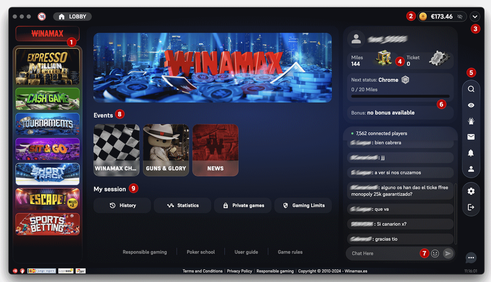
Reviews 1

Imagine a normal evening. You have little time, you want to understand if the platform seems readable to you, and you don't want to turn a simple test into a long and messy session. In such a case, what matters is not the initial effect but the continuity between actions: logging in, checking the profile, finding the balance, understanding where to set limits, and then deciding whether to proceed or not.

Many adult users in Italy connect from smartphones, during short breaks, between work, commutes, and already busy evenings. This makes the organization of the account even more important. The platform can be used by adult users in compliance with applicable rules and age limits, but real control arises from the structure of the session. If the entry is clear, subsequent decisions also tend to be so.
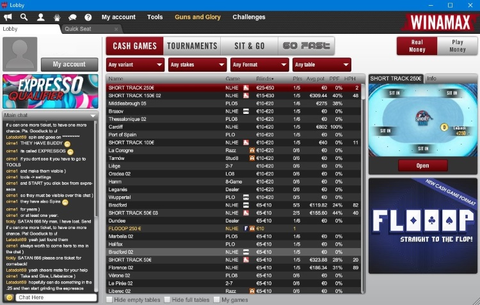
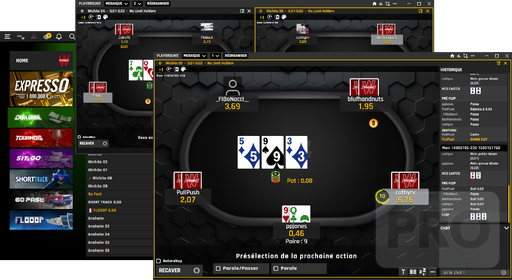
customer feedback 2

Registration, Profile and First Choices

Registration seems like the simplest part, and that's precisely why it's often handled too carelessly. A mistyped email, a hastily chosen password, a personal detail not reread, or a notification interrupting the flow are enough to create friction later on. Big mistakes aren't necessary. A small detail overlooked at the initial moment is sufficient.

Imagine filling out your profile from the couch, with your phone almost dead and three chats open. It's the perfect context for typing carelessly and postponing the check to a later moment. The problem is that this later moment often arrives when it shouldn't: during an account verification, before a withdrawal, or in the middle of a session you just wanted to manage calmly.

For this reason, it's advisable to treat registration as a technical operation. No rushing, no multitasking, no desire to "do it later." Enter the data, reread it, save your login securely, and then take a tour of the main sections of your account before thinking about the games.

What to Check Immediately After Logging In

Once you've logged in, the most useful step is to orient yourself. Where do you see your balance? How do you check transactions? Where are the limits? How do you find support? Imagine a user who takes two minutes to answer these questions before opening the lobby. They aren't wasting time. They are removing improvisation from their evening.

When this quick tour is skipped, the platform starts guiding the player instead of the other way around. You click wherever you happen to land, search for functions at the least opportune moment, and every small uncertainty adds up to the next. Understanding your account from the start makes everything more stable.

Budget, Cashier, and Money Movement

The cashier is the point where the account stops being theoretical and becomes concrete. Here, the player decides whether to truly enter a session, with what amount, with what method, and for what objective. If these choices have already been made with a cool head, the cashier is just a step. If, however, they arise in front of the payment screen, the pressure immediately increases.

3 reviews

Imagine the most common situation. Your phone is in hand, the payments section is open, and only at that moment do you start wondering what amount really makes sense. It's a very normal mistake, but it remains a mistake. The amount should be decided beforehand, away from the screen, when the account isn't yet influencing your mood.

The same applies to withdrawals. Those who reread the summary, check the amount, and verify the history keep the process orderly. Those who constantly refresh the page, repeat an action out of impatience, or immediately send a message to support without looking at recent transactions often complicate a situation that only required more calm.

In practice, money should be treated as a structure, not a reaction. If you've decided beforehand how much to spend, why, and when to stop, the cashier becomes clear. If every choice arises in the middle of the session, everything becomes more confusing.

Account Phase

What the Player Does

Why It's Useful

Sensible Habit

First Deposit

Chooses the amount before opening the cashier

Reduces impulse

Decide the budget away from the payment screen

Method Selection

Usa a known tool

Makes transactions clearer

Avoid unnecessary changes

Transaction Monitoring

Reviews balance and recent history

Helps avoid repeating actions

Stop before touching again

Withdrawal Request

Checks final data and amount

Cuts avoidable errors

Read the summary one more time

Ordinary Management

Updates limits and reminders

Keeps the pace more readable

Review settings regularly

Mobile Use and Session Pace

The phone makes everything faster. This is its advantage, but also its risk. On desktop, the player usually sits down and decides to start. On a smartphone, they often log in because the phone is already open, because they have fifteen minutes free, or because they are filling a gap in their day. A visit that starts like this can be light and well-managed, or it can slip forward without a real stopping point.

Imagine checking messages and opening your account almost automatically. You haven't really decided what you want to do yet, but you're already on the platform. It's precisely at this moment that a very simple question is needed: why am I logging in now? If the answer is clear, the session remains manageable. If it's vague, the visit usually becomes longer than expected.

How to Prevent a Short Session from Becoming Longer

Short sessions seem harmless, which is why they need structure. The player thinks they'll log in for a few minutes, then checks the balance, opens the lobby, tries a section, goes back, re-enters the cashier, and only then realizes that time has already passed. No single action seems decisive, but the sum of small steps changes the tone of the evening.

Imagine you have ten minutes before leaving the house. If you log in with the general idea of "just taking a look," those ten minutes become unstable. If, however, you log in for a single reason – to check your account, try a very short session, or fix your profile – then the phone stops dragging you along. The difference isn't technical. It's in how you define the purpose before logging in.

Battery, Notifications, and Distractions

Many problems attributed to the platform actually stem from the context. Low battery, continuous notifications, uncertain connection, background apps, attention broken by other screens. All this creates haste, causes you to lose the thread, and makes steps less readable.

Imagine using your account while walking or responding to two chats. If a screen freezes or a step seems incomplete, the urge to react immediately grows. A better session almost always comes from a cleaner entry: charged phone, few distractions, stable connection, and a defined purpose. It seems small, but it makes a big difference.

What Reviews Say Winamax In Daily Life

When reading impressions and reviews, the point isn't to find a definitive sentence that decides everything for you. The point is to recognize recurring themes: clarity of the account, ease of payments, lobby order, quality of support, mobile stability. Isolated opinions can be noisy. Repeated patterns, however, truly help understand where a platform tends to be solid and where it requires more attention.

Imagine reading comments before registering. If you only focus on the most enthusiastic or the angriest comment, you're not learning much. If, however, you look at which aspects are mentioned most often – for example, balance management, perceived speed of sections, or clarity of steps – then you start to build a useful understanding.

In daily life, what really matters is always the same: does the account help you maintain control or push you to decide quickly? A good platform doesn't force you to chase screens. It allows you to read, choose, and close without too many mid-course corrections.

How to Read Winamax RTP Without Oversimplifying

The topic of theoretical return is often treated incorrectly, as if a number were enough to describe the entire experience. In reality, theoretical data does not replace how the player manages time, budget, and game choice. It can be an element to observe, but it should never become the emotional center of the session.

Imagine a user who sees an interesting value and thinks that's enough to decide how to proceed. Then they log in without a precise limit, extend the session, and confuse abstract data with the concrete quality of their own management. The most useful way to read this aspect is coldly: consider it one piece of information among others, never a shortcut that replaces discipline and structure.

Support, Break, and Orderly Exit

Support works well when it receives facts, not just frustration. Saying something "doesn't work" describes the mood, but helps little. It's much more useful to indicate the exact step where the problem appeared: login, cashier, history, loading a section, confirming a transaction. The more concrete the request, the higher the probability of a useful response.

Imagine two users with the same problem. The first sends a vague message. The second indicates the device, the approximate time, and the point where the flow was interrupted. Usually, the second gets a more precise answer because the person reading the ticket has something real to work with.

Even account verifications should be treated the same way: as routine maintenance, not as a sudden drama. If they arrive when you're in a hurry, they seem much heavier. If you handle them calmly, with full attention, they remain a technical step like any other.

Then there's a topic that is almost always underestimated: exiting. Many players plan how to enter, very few plan how to close. Yet an orderly exit is almost as valuable as a well-made entry. Check your balance, re-read the purpose of the session, close the account completely, and move on to another activity consciously.

When Stopping Is The Best Choice

Stopping doesn't mean something went wrong. Sometimes it just means the relationship between the platform and your routine is becoming too automatic. Repeated logins every evening, visits that always get a little longer, immediate returns after closing: these are small but very useful signals to read.

Imagine realizing you're opening your account at the same time every day, more out of habit than true choice. In that case, a short break, or a stronger tool like temporary exclusion, can restore distance. Acting early is almost always easier than correcting a routine that has already become rigid.

FAQ

The most useful way is to observe if the account seems readable from the first few minutes. It's not enough for there to be many sections. You need to understand if the balance, cashier, limits, and history are easy to find and if switching between screens happens without confusion. A platform that is easy to read at the beginning tends to be simpler in later stages as well.

It's advisable to do it before opening the cashier. When the budget is created in front of the payment screen, the choice becomes more emotional and less coherent. If, instead, you define the amount with a cool head, away from the pressure of the moment, the rest of the session rests on a more stable and easier-to-respect basis.

Because the phone greatly reduces the initial friction. You check the balance, enter the lobby, go back, open another section, and time passes almost unnoticed. Without a precise goal and without a pre-determined closing point, the visit extends on its own. This is why mobile sessions need simple but very clear rules.

Immediately after logging in, it's advisable to review your profile, locate your balance and recent transactions, understand where the limits are, and check how to contact support. This small initial tour doesn't slow down the experience. It makes it more readable and removes improvisation from moments when you'll need to make more concrete decisions.

The most practical rule is not to react immediately to a slow screen. First, check your history and balance. Many errors arise from the idea that nothing has happened, when in reality the first operation was already in progress. A few seconds' pause and a quick check help more than any impulsive gesture.

It makes sense when you can accurately explain where the flow broke down. Stating whether the problem appeared during login, checkout, or another section makes the request much more concrete. Support works better with practical details than with general impressions, so the more readable the description, the more useful the response tends to be.

A break can make a difference when the account too easily falls into the daily routine and ceases to be a conscious choice. If you log in out of boredom, if you almost always extend the session, or if you find yourself logging back in shortly after closing, perhaps it's the right time to create distance and regain order before the habit becomes too burdensome.

EN